
CNBC’s Inside India newsletter: Why the India-U.S. trade deal remains elusive
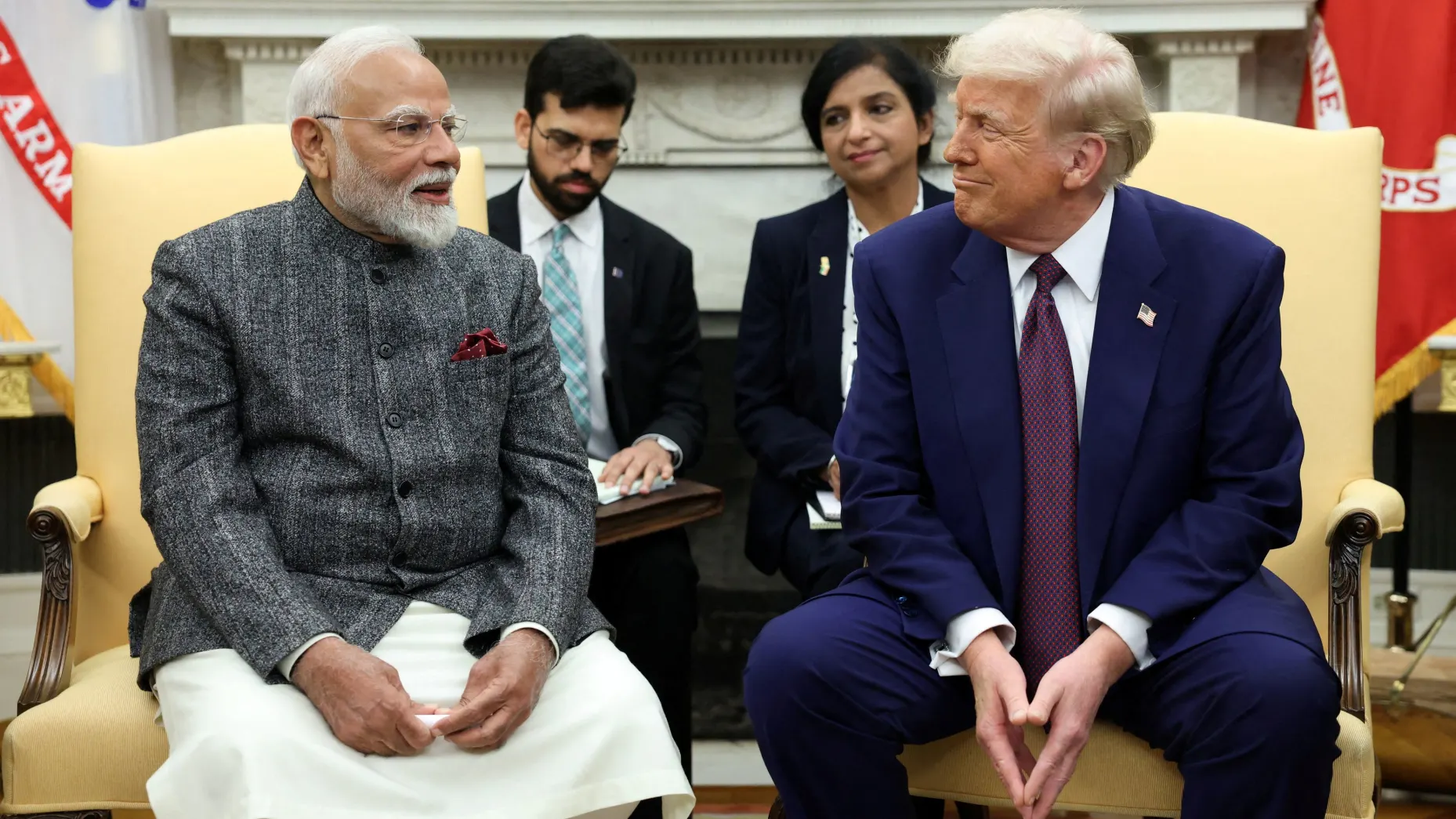
What began as a year of high promise for U.S.-India relations is ending in a stalemate, with trade talks frozen and tariffs climbing. Despite Prime Minister Narendra Modi and President Donald Trump vowing in February to double bilateral trade to $500 billion by 2030, India now faces some of the highest U.S. tariff rates in the world—duties that even exceed those on China.
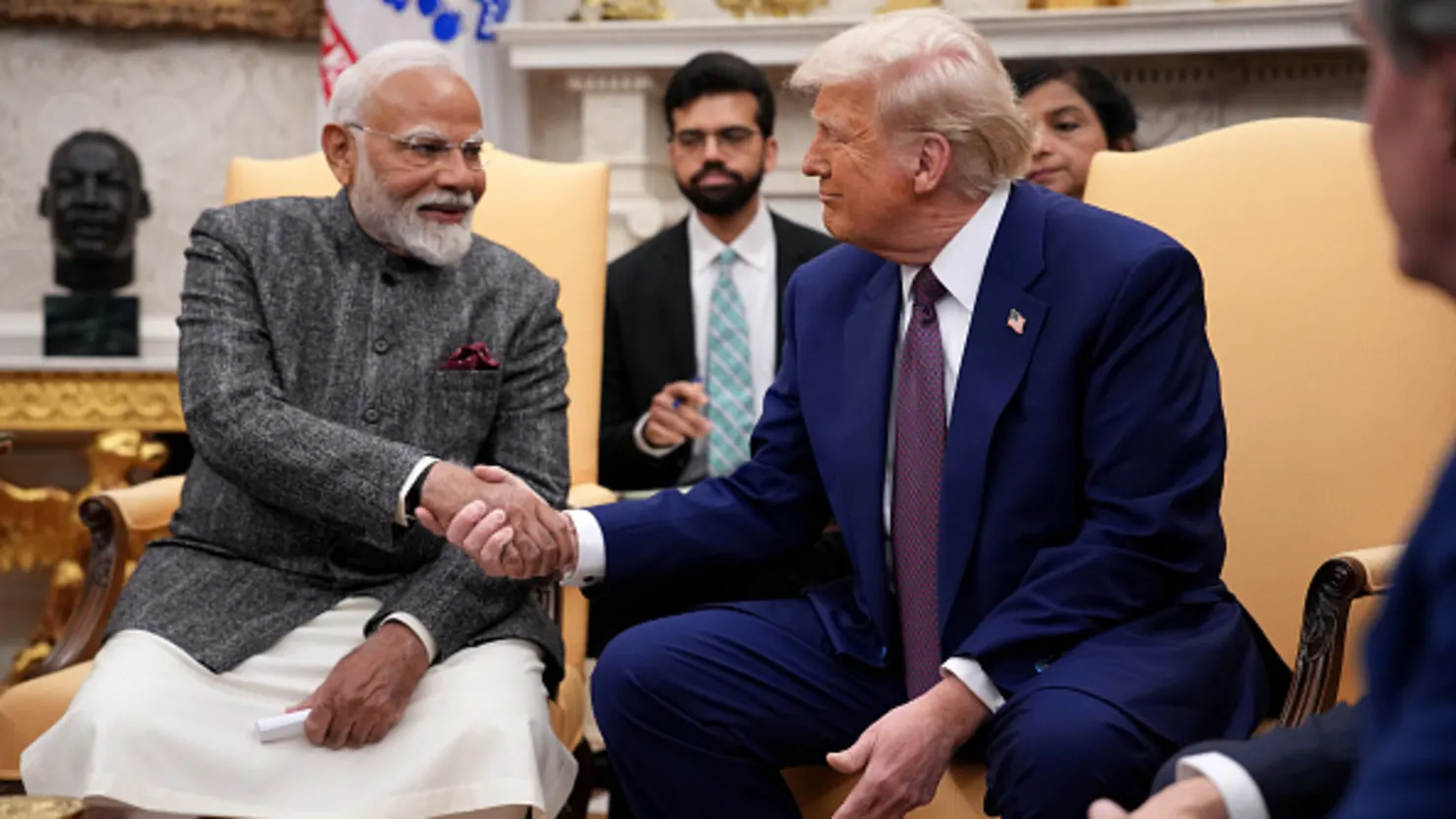
A Relationship Tested by Tariffs and Tough Demands
The core impasse revolves around agricultural access and energy sourcing. The U.S. is pushing India to open its politically sensitive farm sector to genetically modified crops and dairy imports—a move strongly opposed by India’s influential domestic farming lobbies. Simultaneously, Washington wants New Delhi to reduce imports of discounted Russian oil, a key source of affordable energy for India’s 1.4 billion people.
In August, the U.S. imposed an additional 25% tariff on Indian imports, raising total duties as high as 50%, to pressure India away from Russian oil. While India has slightly reduced those purchases, it has not committed to a full phase-out, citing energy security and affordability.
The Economic Toll of Delay
The prolonged standoff is incurring real costs. Goldman Sachs estimates U.S. tariffs could shave 0.6 percentage points off India’s GDP growth. Indian equities face an “uncertainty premium,” and the rupee has weakened amid volatile capital flows. For the U.S., tariffs are raising input costs for importers of pharmaceuticals, machinery, and consumer goods, exacerbating inflationary pressures.
“The arbitrary, unnecessary, and pointless trade war created by President Trump is creating difficulties for the U.S.-Indian relationship,” said economist Wayne Winegarden of the Pacific Research Institute, warning that the deterioration harms both nations.
A Path Forward Remains Unclear
Some experts suggest a “grand gesture”—such as India committing to purchase U.S. ethanol or sustainable aviation fuel—could restart momentum. However, with major Indian state elections approaching in farming-heavy regions, Modi’s government has limited political room to concede on agriculture.
As Citi’s Samiran Chakraborty noted, India has gone from being seen as the first potential U.S. trade partner to “the last country which has not got a trade deal.” While November trade data showed a surprise rebound in Indian exports to the U.S., the underlying strategic friction remains unresolved.
With both sides citing strong incentives to deal—the U.S. needs reliable supply chains beyond China, India needs market access for export-led growth—the question for 2026 is whether political will can finally align with economic logic. For now, the much-hyped partnership is caught between promise and protectionism.
Recent
News



Newsletter
Subscribe to our mailing list to get the new updates!

Subscribe our newsletter to stay updated
Most
Reviews
Finance
- Thu, 15 Jan 2026
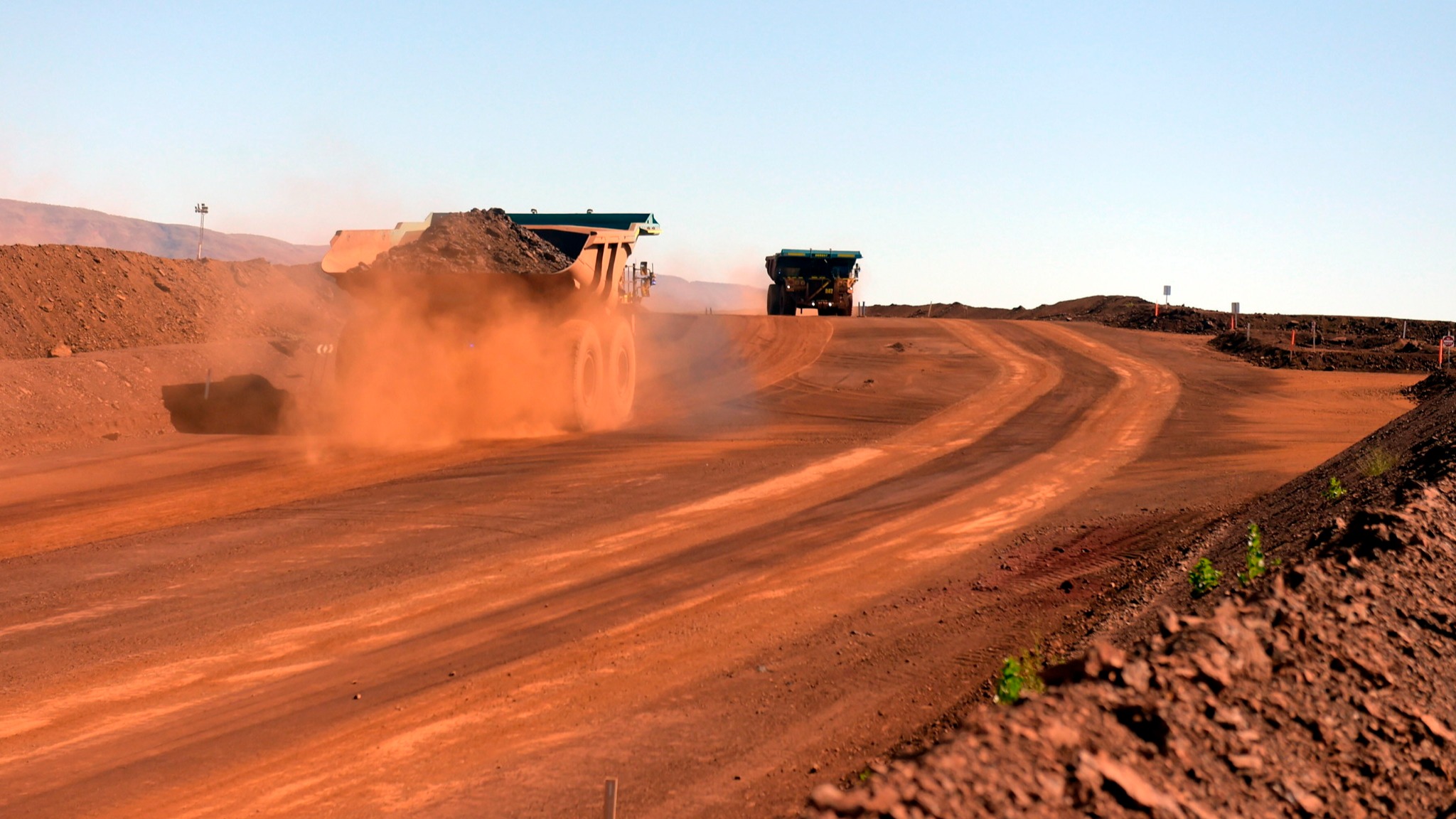
Rio Tinto and BHP team up for iron ore savings in Australia
Markets

Business

- Sun, 25 Jan 2026
Russia’s New AI System Aims To Fix Front-Line Decision-Making
Finance
Economy
- Sun, 18 Jan 2026